
Tin is emerging as a promising material in several hydrogen-production technologies, from green hydrogen generated through water splitting to turquoise hydrogen produced through methane pyrolysis. Recent research is highlighting how tin’s properties could support more efficient hydrogen generation and create new opportunities for the metal in future energy systems.
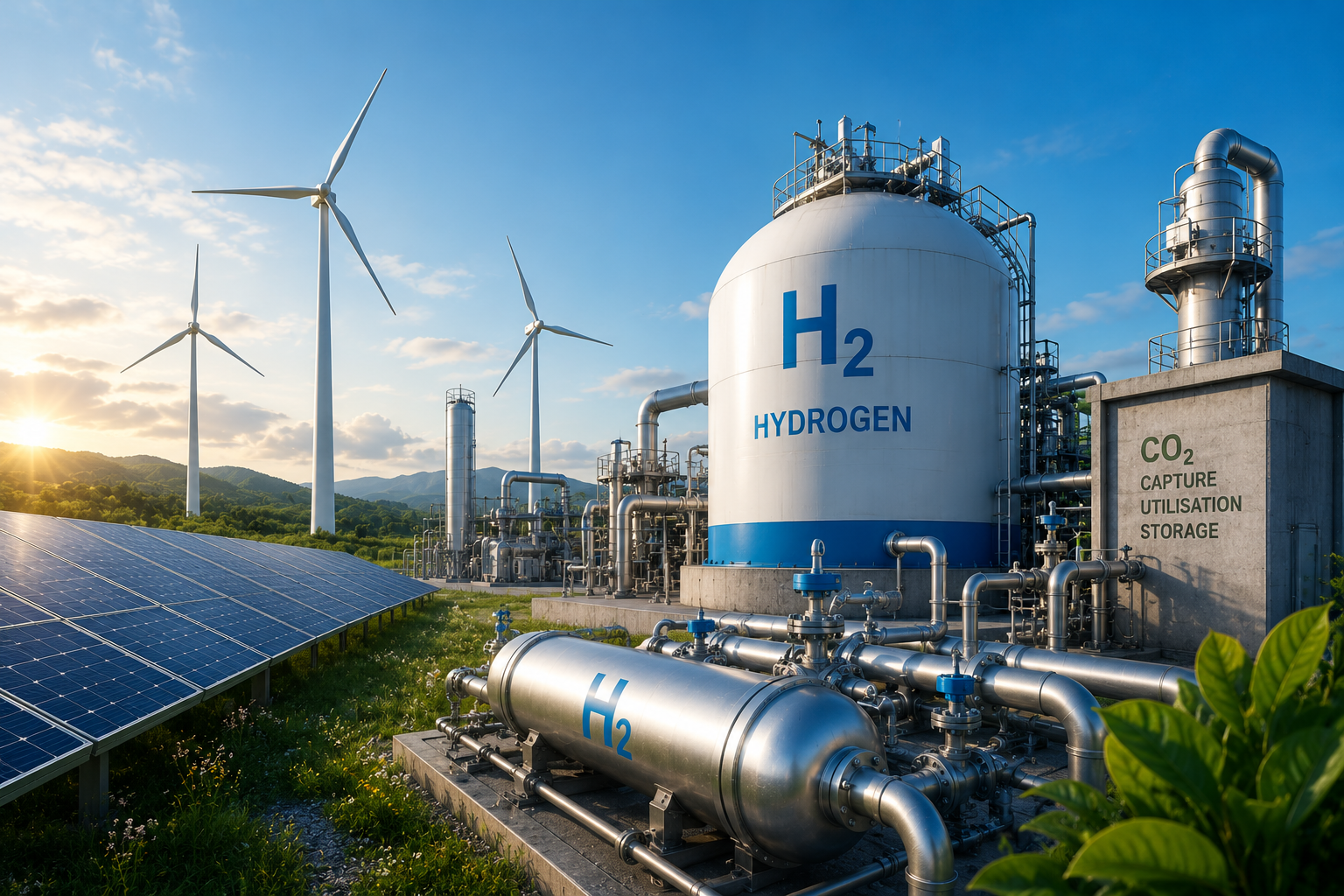
Hydrogen is attracting increasing attention as an energy carrier, particularly for industries seeking to reduce their carbon emissions. However, most hydrogen is still produced using fossil fuels, driving interest in alternative production methods with lower environmental impacts.
Researchers are investigating several ways tin could contribute to these technologies. New developments include tin-rich alloys that generate hydrogen directly from water, tin-containing catalysts and electrodes for water splitting, and molten tin reactors for methane pyrolysis.
Together, these approaches demonstrate the versatility of tin, with the metal performing a different function in each hydrogen-production process.
Tin alloys generate hydrogen from water
Researchers at Taif University in Saudi Arabia have investigated a tin-rich alloy containing aluminium, magnesium and strontium that produces hydrogen when placed in water.
Aluminium can release hydrogen through a reaction with water, but a protective oxide layer normally forms on its surface, preventing the reaction from continuing.
The researchers found that the tin-rich alloy helped overcome this limitation, while mechanically rolling the material into thin foils altered its internal structure and encouraged the reaction.
When tested in distilled water, the alloy generated up to 1.35 litres of hydrogen per gram of aluminium at 65°C.
Published in the Journal of Materials Engineering and Performance, the findings suggest potential for on-demand hydrogen generation, although aluminium is consumed during the reaction. Recovering the tin and regenerating the reactive aluminium would therefore be important considerations for practical applications.
Tin supports green hydrogen production through water splitting
Tin is also being widely investigated in water electrolysis, where electricity is used to split water into hydrogen and oxygen. When powered by renewable electricity, this process can produce green hydrogen, offering a route to hydrogen production with low greenhouse gas emissions.
Much of this research focuses on improving the catalysts and electrodes responsible for these reactions. Adding tin can change their structure, conductivity and catalytic properties, potentially improving performance.
For example, research published in 2026 demonstrated cobalt–tin electrodes in which tin helped create a highly porous structure, substantially increasing the surface area available for reactions. The electrodes were also tested in an alkaline electrolyser under industrially relevant operating conditions.
Other researchers have incorporated tin into cobalt molybdate catalysts, while a separate study investigated tin disulphide (SnS₂) and tin diselenide (SnSe₂) as catalysts for hydrogen and oxygen generation. These studies demonstrate how tin can contribute to different stages of the water-splitting process.
Tin is also being explored in solar-driven water splitting, where sunlight provides energy to drive the reaction. Research into tin-doped hematite, an iron oxide material, has demonstrated improvements in electrical charge movement and water oxidation, supporting the development of more effective light-absorbing electrodes.
Together, these developments highlight the versatility of tin in technologies that could contribute to future green hydrogen production, from modifying electrode surfaces to improving the properties of catalytic and light-absorbing materials.
Molten tin enables turquoise hydrogen production
Beyond water-based processes, molten tin is being investigated for methane pyrolysis, a technology that uses high temperatures to break methane into hydrogen and solid carbon, rather than producing carbon dioxide directly.
Hydrogen produced through this process is commonly referred to as turquoise hydrogen. By producing solid carbon instead of carbon dioxide, methane pyrolysis offers a potential lower-carbon alternative to conventional hydrogen production, particularly when powered by low-carbon energy and supported by effective methane emissions management.
One approach involves passing methane gas through a bath of molten tin. The liquid metal provides a high-temperature reaction environment while allowing the solid carbon produced to separate from the melt.
Research at Montanuniversität Leoben in Austria has highlighted several properties that make tin particularly suitable for this application.
Tin’s relatively low melting point of 232°C makes it easier to handle than many alternative metals, while its low vapour pressure helps limit metal losses and contamination at high operating temperatures. Its liquid properties can also encourage smaller methane bubbles, improving contact between the gas and molten metal.
In experimental comparisons, researchers reported approximately 47% methane conversion using molten tin at 1,160°C, averaged over a 60-minute test. Their research programme has also progressed towards larger liquid-metal reactors, with systems ranging from 10 to 100 litres under development from 2025.
Although the technology still faces challenges around energy requirements and commercial-scale operation, it represents another potential application for tin in lower-carbon hydrogen production.
Opportunities for tin in future energy
These developments demonstrate the variety of roles tin could play in emerging hydrogen technologies.
From helping aluminium react with water to improving green hydrogen production through electrolysis and supporting turquoise hydrogen production through methane pyrolysis, tin’s properties are being explored across several distinct approaches to hydrogen generation.
While much of this work remains at the research and development stage, continued progress could create new opportunities for tin in future energy systems. The commercial potential will depend on factors including process efficiency, material recovery, durability and the overall environmental impact of each technology.
For more developments in emerging tin technologies, visit Tin Valley. If you are interested in low-carbon tin technologies, visit our page.
Links to papers
-
- Tin-alloy hydrogen generation from water — Journal of Materials Engineering and Performance, 2026
- Cobalt–tin electrodes for water electrolysis — Journal of Energy Chemistry, 2026
- Tin sulphides and selenides for water splitting — ACS Applied Energy Materials, 2026
- Tin-doped hematite for solar water splitting — ACS Nano, 2026
- Low-CO₂ Hydrogen Production via Methane Pyrolysis in Molten Tin — Raphael Scheiblehner, Montanuniversität Leoben