Summary
- EU Forced Labour Regulation has introduced a forced labour ban, enforced from 14 December 2027.
- Applies to all ‘products’ placed onto, and exported from, EU and EEA countries, including minerals and products containing tin, potentially impacting upstream and downstream companies within and outside the EU.
- Companies may face direct market consequences in the form of suspension, general ban and fines.
- Use of existing, independently assessed Tin Code Reports provides information on the management of key forced labour risks at participating tin companies’ sites and upstream supply chains that can support forced labour due diligence and reporting.
- Joining the Responsible Tin Network supports tin users and buyer’s understanding of forced labour risks specifically in the tin supply chain and provides opportunities to engage directly with suppliers on practical solutions.
- ITA continues to align industry tools and guidance to EU expectations.
Full article
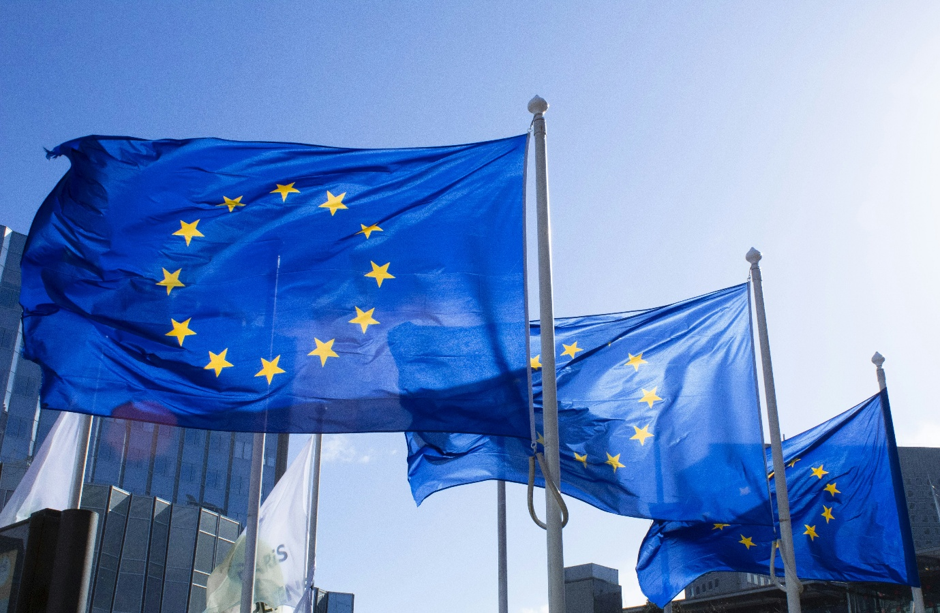
The EU Forced Labour Regulation (EUFLR) has been introduced by the European Union to ban ‘products’ made with forced labour from being placed on, or exported from, the EU market, including the European Economic Area (EEA) and Northern Ireland (UK) under the Windsor Framework, from 14 December 2027.
It applies if any part of the product was made with forced labour, at any stage of the supply chain, from extraction and processing to final product manufacturing. It applies to all ‘economic operators’ (companies) regardless of sector and size. The law builds on the International Labour Organisation (ILO) Convention definitions of ‘forced labour’ and includes forced child labour, which is recognised as one of the worst forms of child labour under ILO Convention No. 182.
How it works
The EU FLR focuses on the outcome; if a product is found to have been manufactured using forced labour it will be suspended, banned or destroyed. The ban applies generally, not just to the individual company that placed the product onto the market, but it may also impact the ability of other companies to place it onto the market.
The EU FLR does not dictate new due diligence requirements but instead supports the use of existing due diligence frameworks and voluntary standards (such as the Tin Code) to identify and manage forced labour risks.
The EU Commission and National Competent Authorities have the mandate to investigate potential cases of forced labour, even before the product enters the EU market. Investigations can focus on the full product or a component. Where there are suspicions of widespread use of forced labour, or products originating from countries with state-imposed forced labour, this can be widened to include additional products or suppliers.
The decision to investigate companies follows a proportionate and risk-based approach and authorities may look at information submitted to directly to them, information held in a forthcoming forced labour risk database of high-risk product’s and geographic areas, information submitted by civil society, local communities and worker representatives, and investigations under other regulations such as the 3TG Responsible Minerals Regulation (EU) 2017/821.
The European Commission recently issued non-binding guidance and is developing tools to assist companies in tackling forced labour within their supply chains including indicators on forced labour and a forced labour portal. Further tools, including the risks database and information submission portal, are being developed by the EU in preparation for compliance to begin on 14 December 2027.
Relevance to tin supply chains
Since the Regulation covers all sectors and products, this generally includes tin and all products made with tin. Companies can proactively mitigate risks by leveraging existing information and engaging with suppliers on practical measures to manage forced labour through the Tin Code:
- Tin Code standard 4.4 requires that companies will not use or support slavery, servitude, forced, or compulsory labour in their own operations.
- Tin Code standard 4.5 requires that companies will not engage in the worst forms of child labour as defined by Article 3 of ILO Convention No. 182
- Standard 7.3 (Responsible Sourcing) requires companies to evaluate potential risks (including forced labour), seek to avoid support to conflict, human rights and other significant abuses and publicly report on their efforts according to international expectations and laws, in particular the OECD Due Diligence Guidance 3T Supplement in supply chains from conflict affected and high risk areas. See public assurance reports.
- Principle 8 requires companies to positively influence practices of suppliers of materials, goods and services including suppliers of ASM (including on forced labour)
For tin users and buyers, as well as leveraging Tin Code reports, participation in the Responsible Tin Network involves active engagement on forced labour issues. This includes contextual information to understand geographic and supply related forced labour risks, learning how to prioritise these risks, and evaluating the feasibility of traceability and due diligence specific to the tin sector.
While companies remain individually responsible for complying with the EU FLR, proactive due diligence and sector-specific engagement can help reduce compliance risks.
This article represents ITA’s current understanding of the EU FLR and its guidelines as of the date of publication and may be subject to change.
Image credit: © Photo by ALEXANDRE LALLEMAND on Unsplash