Reducing the carbon footprint of both primary and secondary tin production is becoming increasingly important as demand grows for responsibly sourced critical raw materials. To explore emerging technologies that could support this transition, the International Tin Association (ITA) recently visited the Institute of Non-Ferrous Metallurgy at TU Bergakademie Freiberg, Germany.
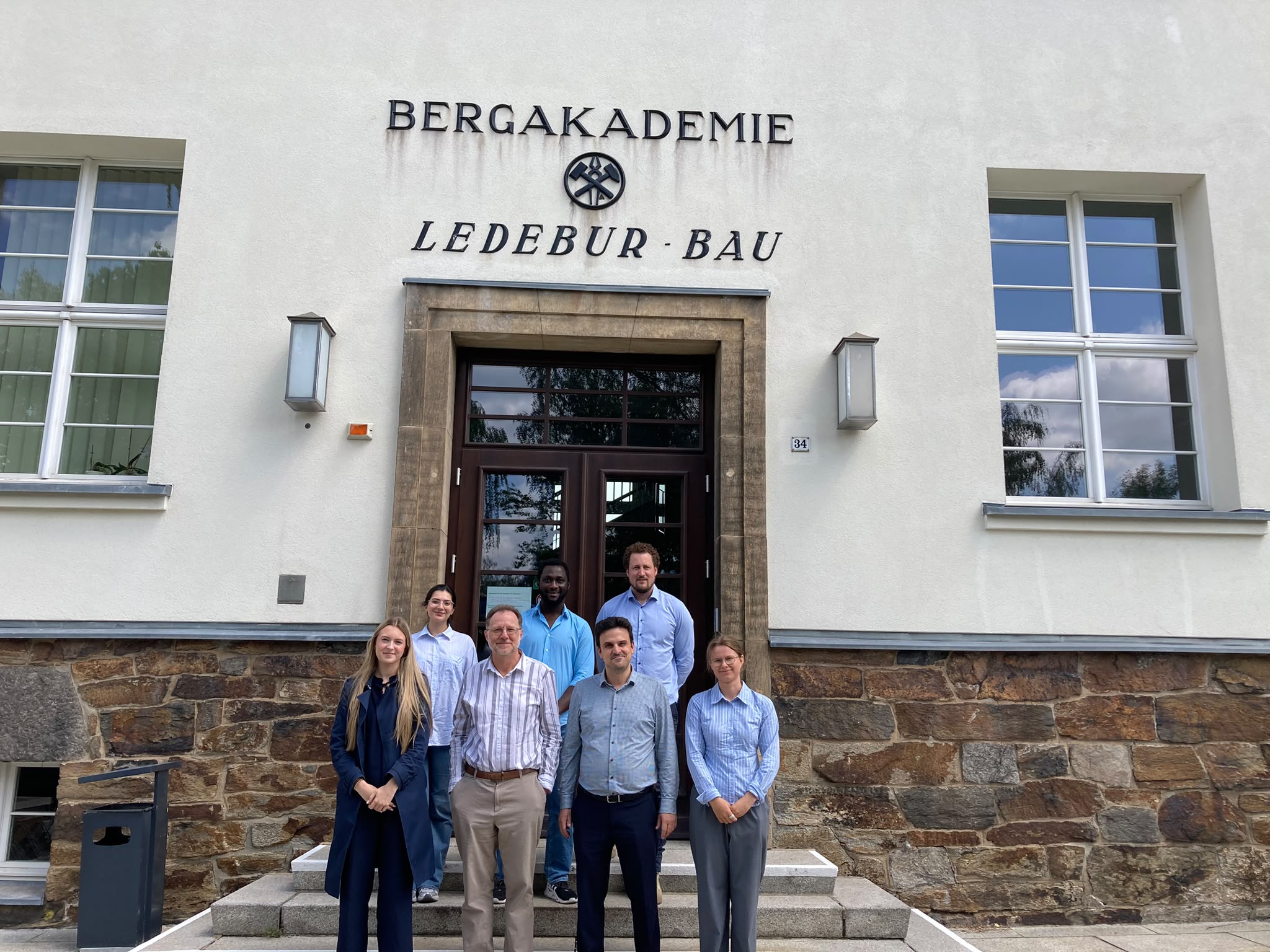 The visit formed part of the ITA Technology team’s ongoing programme to identify and assess innovative technologies with the potential to support a more sustainable future for the tin industry.
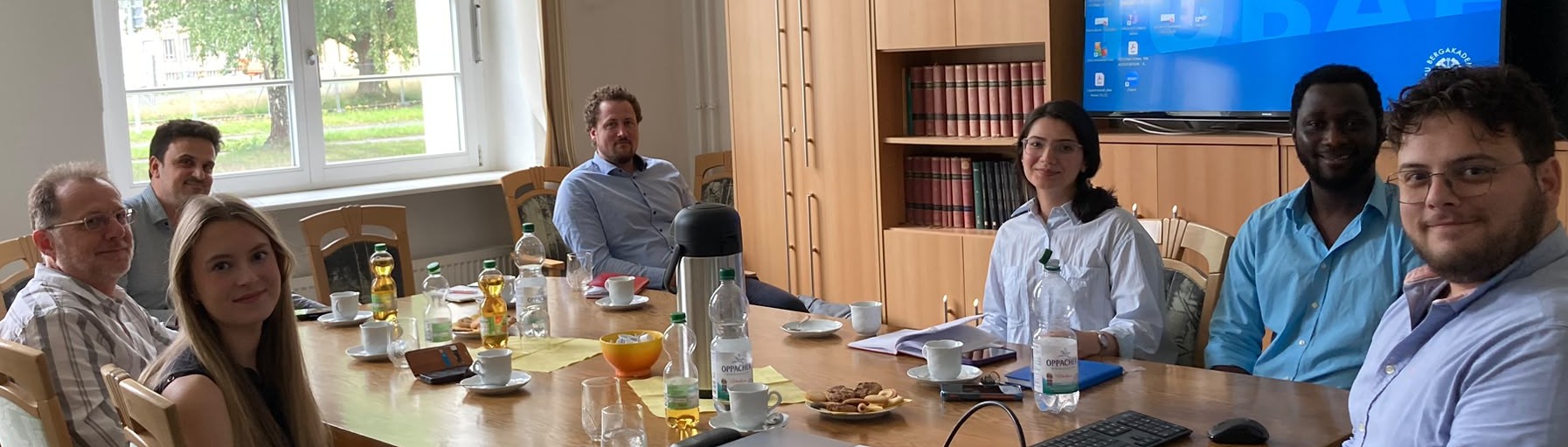
The ITA delegation, comprising Dr. Jeremy Pearce, Georgia Laurie and ITA intern Iona Boulton, met with Professor Alexandros Charitos and his research team, including Vangelis Palavos-Chesper, Stephen Kwegyir, Sara Shakeri and Ludwig Blenau.
The Institute of Non-Ferrous Metallurgy is internationally recognised for its expertise in sustainable extractive metallurgy, with research spanning pyrometallurgy, hydrometallurgy and electrometallurgy.
Through a series of technical presentations and laboratory tours, the team gained insight into a range of low-carbon technologies spanning hydrogen-based tin production, alkaline processing, electrowinning and the recycling of tin-bearing residues.
Researching the next generation of primary and secondary tin production
A key focus of the visit was the institute’s research into hydrogen-based tin production through the reduction of cassiterite, the principal ore of tin.
By replacing conventional carbon-based reductants with hydrogen, the process has the potential to significantly reduce greenhouse gas emissions associated with primary tin production.
Laboratory-scale experiments have successfully produced metallic tin with a purity of 99.6%, with approximately 50.4% of the tin converted directly during the reduction stage. Importantly, the remaining tin is retained within a leachable slag, allowing it to be recovered through subsequent processing and providing a pathway towards high overall tin recovery while reducing reliance on fossil carbon.
The research team also presented an alkaline fusion and leaching process capable of recovering approximately 95% of the tin using sodium hydroxide (NaOH). This hydrometallurgical approach provides an efficient route for extracting tin into solution and complements the institute’s wider work on low-carbon extraction technologies.
Building on this process, researchers demonstrated an alkaline electrowinning route that deposits metallic tin directly from sodium hydroxide (NaOH) or potassium hydroxide (KOH) electrolytes. Together, the alkaline fusion and electrowinning technologies illustrate an integrated approach to recovering and refining tin using alternative processing routes with the potential to improve both recovery efficiency and environmental performance.
The final presentation focused on the valorisation of chlorine- and sulphur-rich tin-bearing residues using biomass-derived reductants. By replacing conventional fossil carbon with renewable biocarbon, the process aims to recover valuable tin from challenging secondary materials while reducing greenhouse gas emissions associated with secondary tin production. The research reflects growing interest in circular processing routes that maximise resource utilisation while supporting industrial decarbonisation.
Together these projects demonstrate how future tin production may increasingly combine hydrogen metallurgy, hydrometallurgical extraction, electrochemical refining and sustainable reductants to lower emissions while improving resource efficiency across both primary and secondary production.
From laboratory research to pilot-scale facilities
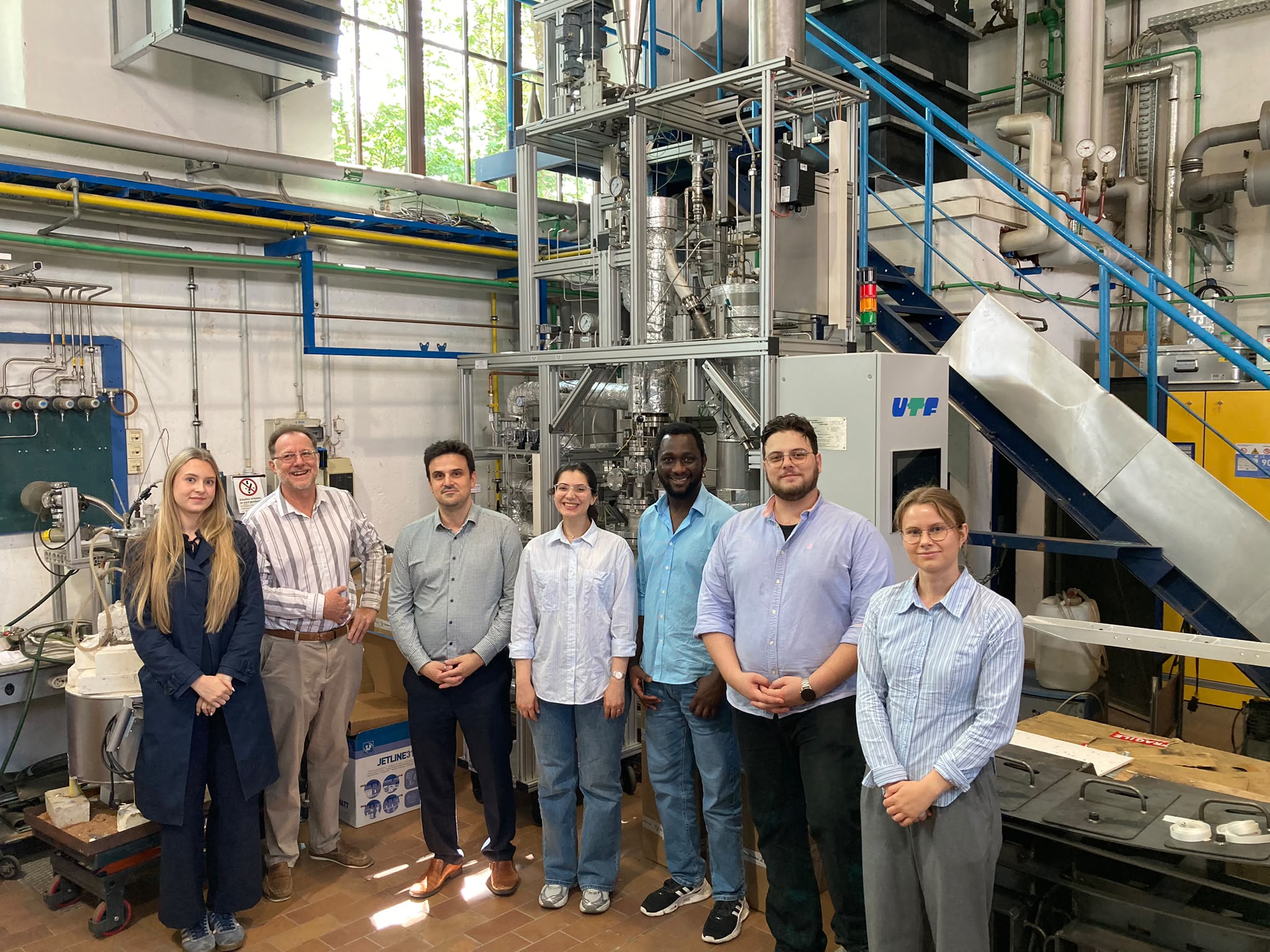 Following the presentations, the ITA delegation toured TU Bergakademie Freiberg’s research laboratories and pilot-scale facilities, providing an opportunity to see many of these technologies translated into practical processing equipment.
The tour included electrolysis systems used to investigate alkaline electrowinning, top submerged lance (TSL) and other high-temperature furnaces supporting pyrometallurgical research, as well as laboratories dedicated to hydrometallurgical processing.
Together, these facilities enable researchers to investigate innovative processing technologies across multiple stages of the tin value chain, from primary extraction through to the recovery of tin from secondary resources.
The visit also provided valuable opportunities for technical discussion between researchers and the ITA Technology Team, enabling an exchange of knowledge on emerging processing technologies, current industrial challenges and future research opportunities.
Looking ahead
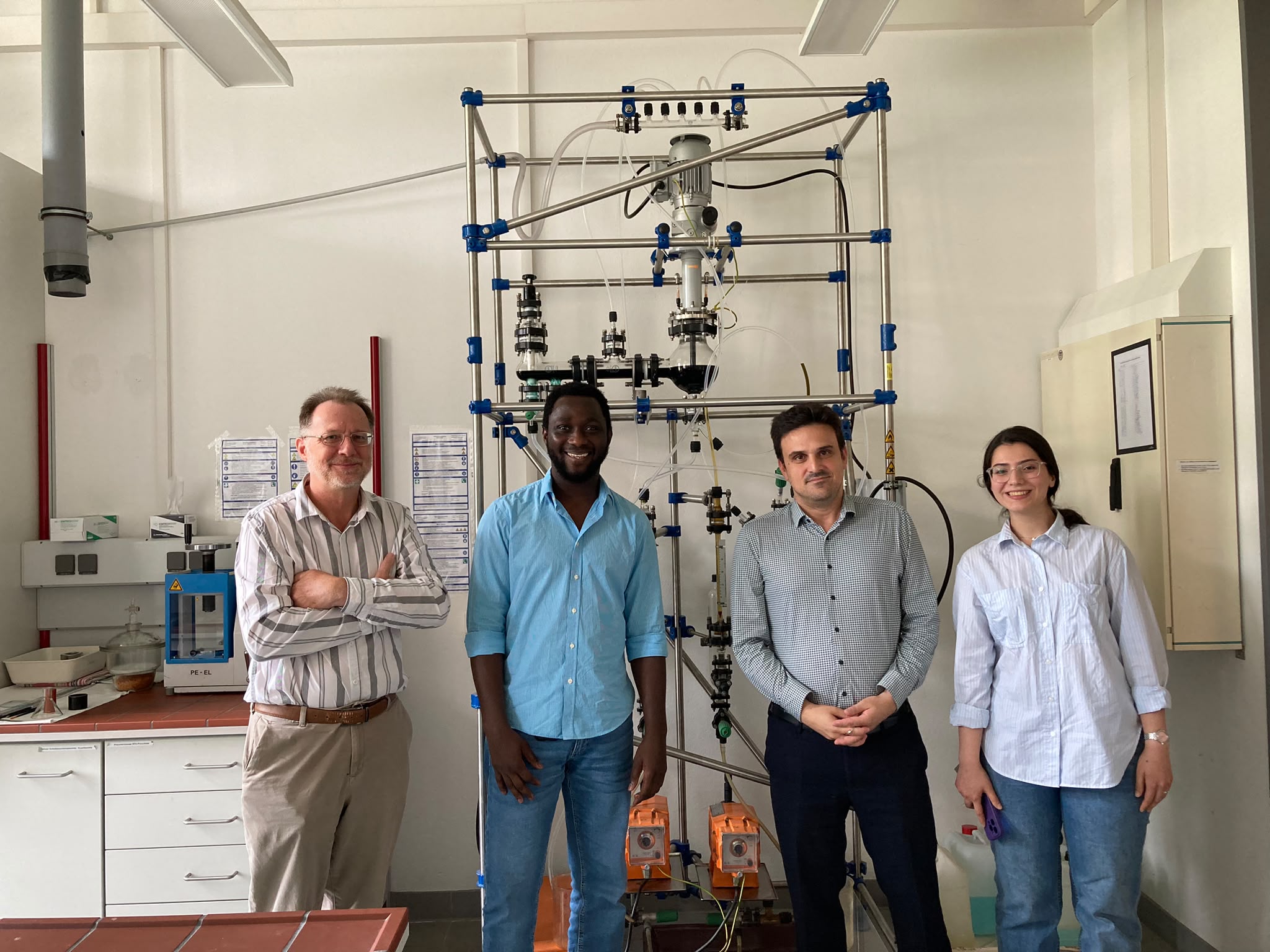 Collaboration between research institutions and industry will play an important role in accelerating the development of lower-carbon technologies for critical raw materials. Visits such as this provide valuable insight into emerging research while strengthening connections between academia and the global tin industry.
The ITA Technology Team will continue to follow developments in low-carbon technologies for both primary and secondary tin production, strengthening relationships with leading research organisations such as TU Bergakademie Freiberg and the wider global research community.
By working closely with researchers developing the next generation of metallurgical technologies, the ITA aims to better understand emerging innovations and their potential to improve the sustainability, efficiency and circularity of the global tin value chain.