
Tin Valley Auditorium Catalogue
This page is currently best viewed on desktop while we complete mobile optimisation.
Please revisit on a larger screen to browse the full catalogue.
Tin is a critical material enabling modern technologies, from sustainable packaging and electronics to energy storage and advanced manufacturing. Its unique properties, combined with its recyclability and versatility, position tin at the centre of global efforts toward electrification, circularity, and low-carbon innovation.
The Tin Valley video hub brings together a curated collection of expert-led content exploring tin across the full value chain. From raw material supply and market dynamics to processing, applications, and end-of-life recovery, these videos provide a comprehensive and interconnected view of the technologies and systems shaping the future of tin.
The collections span key thematic areas, including tinplate and packaging, tin supply, tin recovery from e-waste, and tin in sodium-ion batteries. Together, they highlight both the fundamental science and the real-world industrial practices that underpin tin’s role in critical industries. Contributions from leading researchers, industry experts, and global organisations ensure a balanced perspective across technical, commercial, and regulatory dimensions.
Whether you are exploring emerging technologies, tracking market developments, or seeking deeper technical insight, this video hub serves as a central resource for understanding the evolving role of tin in a rapidly changing world.
Tin in Sodium-Ion Batteries Overview
 Georgia Laurie Technologist, International Tin Association
Georgia Laurie is a chemist with experience in catalysis and recycling technologies, currently working as a Technologist for the International Tin Association. She will present an overview of the current landscape of tin in SIBs, providing a deeper understanding of the role tin plays in enhancing battery performance and efficiency. Additionally, she will explore its potential for future energy storage solutions.
Tin Anode Synthesis Methodologies
Georgia Laurie Technologist, International Tin Association
Georgia Laurie is a chemist with experience in catalysis and recycling technologies, currently working as a Technologist for the International Tin Association. She will present an overview of the methodologies used to synthesize tin anode materials, including the varying advantages/disadvantages.
Tin Anode for Sodium-Based Batteries
 Milan K. Sadan Researcher, Dyson School of Design Engineering
Watch a presentation from expert Milan K. Sadan from Imperial College London highlight some of his research in the area of tin anodes for sodium-ion batteries. His presentation includes insights into tin particle size and how this effects volume expansion, as well as other methods used to alleviate tin-based expansion. He also describes comparisons between tin powder and tin foil-based anode materials.
Introduction to the International Tin Association and Tin Valley
 Dr. Jeremy Pearce Markets & Technology Manager, International Tin Association
Dr. Pearce is an accomplished tin chemist with more than 35 years of experience in the field. He currently serves as the Head of Markets and Technology at the International Tin Association. He will provide an overview of the International Tin Association and introduce our innovative technology platform, Tin Valley, where we showcase the latest advancements in tin-related technologies. He will also highlight why tin’s role in SIBs has been selected as a key focus area for Tin Valley.
Topic Overview: Tin in Sodium-Ion Batteries
Georgia Laurie Technologist, International Tin Association
Georgia Laurie is a chemist with experience in catalysis and recycling technologies, currently working as a Technologist for the International Tin Association. She will present an overview of the current landscape of tin in SIBs, providing a deeper understanding of the role tin plays in enhancing battery performance and efficiency. Additionally, she will explore its potential for future energy storage solutions.
Designing Next Generation Sodium-Ion Batteries
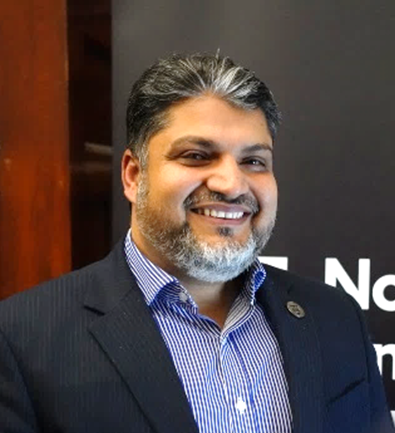 Dr. Shahid Rasul Professor, University of Northumbria
Dr. Rasul is a professor at the University of Northumbria, the founder of IONIST, and the executive director of TEXONOMY. His research focuses on advancing next-generation batteries to improve energy density, extend battery life, and enhance safety. He recently published a groundbreaking paper on tin-hard carbon anodes, demonstrating impressive cycle life and promising charging rates.
Tin-Bismuth Anodes for Sodium-Ion Batteries
 Pranay Gandharapu Anode Scientist, LionVolt
Pranay Gandharapu is an anode scientist at LionVolt with a PhD from the Indian Institute of Technology Bombay. During his PhD he developed a high-performance anode material by alloying tin with bismuth. In his session, Pranay will discuss why tin is an ideal material for sodium-ion storage, covering the synthesis, development, testing, and characterisation of tin-bismuth anodes. He will also share insights from characterisation techniques to enhance the understanding of their electrochemical behaviour.
Towards a High-Performance Tin Anode for Practical Na-Ion Batteries
 Dr. Michael Metzger Professor, Dalhousie University
Dr. Metzger is the Herzberg-Dahn Chair and a Physics professor at Dalhousie University, collaborating with Tesla. He is also a co-lead for the Canadian Battery Innovation Center at Dalhousie. With 12 patents and over 50 publications, including in Nature Materials (>6,000 citations), he will discuss the performance and structural stability of micron-sized Sn particles, focusing on challenges like Na inventory loss and electrode expansion for sodium-ion batteries.
Commercialising Tin-Based Sodium-Ion Batteries
 Darren Tan CEO & Co-Founder, Unigrid Battery
Darren H. S. Tan is the CEO & co-founder of UNIGRID Battery, a spin-out startup from the University of California, San Diego. He is currently leading the UNIGRID team in commercialising tin-based advanced SIBs for the emerging e-mobility and energy storage markets. In this session, he will discuss the emerging opportunities in the tin material industries for next generation battery manufacturing and the importance of ramping up the supply chain of tin ahead of massive adoption in the coming years.
Redesigning Sodium-Ion Architectures with Sn-Based Anodes via Streamlined Fabrication Techniques
 Dr. Jiankuan Li Chief Scientist, Nanode Battery Technologies
Dr. Li is the Chief Scientist at Nanode. He has over 10 years of experience in electrochemistry and energy fields. He holds a PhD in Materials Engineering from the University of Alberta, having published more than 10 papers in peer-reviewed journals during his PhD. He is currently leading the Nanode technical team and taking charge of all R&D activities, strategic planning, production scaling up and engagement with partners and customers.
Hard Carbon and Sn Anodes for Na-Ion Batteries
 Matthew Irvine Research Fellow, University of St Andrews
Matthew Irvine is a research fellow at the University of St Andrews working on tin-hard carbon anodes for sodium-ion batteries. The University of St Andrews is a part of the Nexgenna group. Nexgenna, led by the Faraday Institution in the UK, is a project involving several UK-based universities and industrial partners with the aim of accelerating the development of sodium-ion batteries.
On the Role of Morphological Changes as the Origin of Improved Cycling Stability of Sn-Based Anodes for Sodium-ion Batteries
 Dr. Ivana Hasa Associate Professor, Warwick Manufacturing Group
Ivana Hasa is Associate Professor of Electrochemical Materials in WMG at the University of Warwick. She is a chemist by background with extensive experience on electrochemical energy storage systems. Her research activities are directed toward the understanding of the processes governing the chemistry of the next generation’s sustainable battery technologies. Design of technically relevant materials and the understanding of their structure-property correlation and electrochemical behaviour are the core of her research interest. Her work is inherently interdisciplinary, tackling challenges at the interface of chemistry, materials science, and electrochemistry. At the Energy Innovation Centre in WMG, she is also working toward the development and scale up of new battery chemistries from concept to full proven cell prototypes.
Modeling Phase Transformations in Tin-Based Anodes for Sodium-Ion Batteries
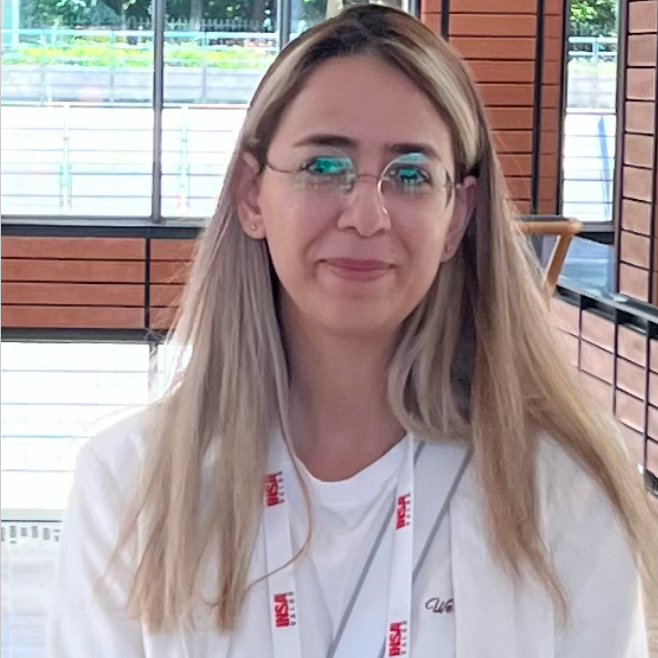 Marzieh Bastanfar PhD Candidate, University of Brescia
Marzieh Bastanfar is a PhD candidate in Mechanical and Industrial Engineering at the University of Brescia, Italy. Her research focuses on sodium-ion batteries with tin-based anodes, combining thermodynamically consistent continuum modelling with targeted experiments to understand phase transformations, stress–diffusion coupling, and degradation. Her current work develops a volume-fraction framework to capture discrete intermetallic formation and chemo-mechanical effects during (de)sodiation, with implications for anode design and cycle life. Marzieh aims to translate these insights into robust SIB negative-electrode strategies.
Tin in Sodium-Ion Batteries
Sodium-ion batteries (SIBs) are emerging as a promising alternative to lithium-ion systems, offering advantages in cost, resource availability, and supply chain resilience. Within this technology, tin is a highly attractive anode material due to its ability to alloy with sodium, delivering high theoretical capacities. However, challenges such as volume expansion, structural degradation, and cycle stability must be addressed to enable practical deployment. As a result, tin-based anodes are at the forefront of research into next-generation energy storage materials.
This video collection brings together a comprehensive series of expert presentations exploring the role of tin in sodium-ion batteries, from fundamental science to commercialisation.
The series begins with introductory sessions outlining sodium-ion battery technology and the function of tin-based anodes, followed by detailed discussions on synthesis methodologies and material design strategies. Academic and industry experts present cutting-edge research on topics including particle size effects, alloying approaches such as tin-bismuth systems, and hybrid materials such as tin–hard carbon composites.
Advanced characterisation and modelling studies are also explored, providing insight into phase transformations, morphological evolution, and chemo-mechanical behaviour during cycling. These sessions highlight key degradation mechanisms and strategies to improve structural stability and electrochemical performance.
In addition, the collection addresses scale-up and commercialisation, with perspectives from industry leaders on manufacturing challenges, supply chain considerations, and the future role of tin in next-generation battery markets.
Together, these videos provide a detailed, multi-scale perspective on tin-based anodes, bridging fundamental materials science with real-world application in sodium-ion battery technology.
Tin Recovery from E-Waste
Electronic waste (e-waste) is one of the fastest-growing waste streams globally, driven by rapid technological turnover and increasing consumption of electronic devices. Containing a complex mixture of metals, polymers, and ceramics, e-waste represents both an environmental challenge and a significant secondary resource. Tin, primarily present in solder on printed circuit boards, is a critical yet often under-recovered element. Efficient recovery of tin is essential not only to reduce environmental impact but also to support resource security and circular supply chains.
This video collection brings together a comprehensive series of expert presentations exploring the recovery of tin from e-waste, from fundamental principles to industrial-scale processes.
The series begins with introductory sessions outlining the nature of e-waste, its global challenges, and the role of tin within electronic components. It then explores established and emerging recovery technologies, including both pyrometallurgical and hydrometallurgical approaches, as well as novel methods such as ionometallurgy and bio-based recovery techniques.
Case studies from academia and industry provide practical insight into real-world applications, including printed circuit board processing, regional recycling strategies in China, and commercial operations from companies such as Bioscope and Attero. These sessions highlight the technical, economic, and logistical challenges of scaling efficient tin recovery.
The collection also addresses innovation and collaboration across the value chain, including initiatives such as the SCARCE Alliance and broader efforts to develop sustainable, closed-loop systems for metal recovery.
Together, these videos provide a detailed and industry-relevant perspective on how tin recovery from e-waste can contribute to a more circular and sustainable materials economy.
Tin Recovery from E-Waste Overview
Georgia Laurie Technologist, International Tin Association
Georgia Laurie is a chemist with experience in catalysis and recycling technologies, currently working as a Technologist for the International Tin Association. Discover what e-waste or electronic waste is, its prevalence and the challenges that come with it. Delve into how we can recover tin from solder in e-waste.
Tin Recovery from PCBs
 Louis Langlais Business Developer, SCARCE Alliance
Watch Louis Langlais, part of the Singapore CEA Alliance, discuss their research on recovering tin from e-waste at Asia Tin Week 2024 in Shanghai. Includes details on SMART sorting of electronics to streamline efficiency of recovery.
An Interview with Bioscope Technologies
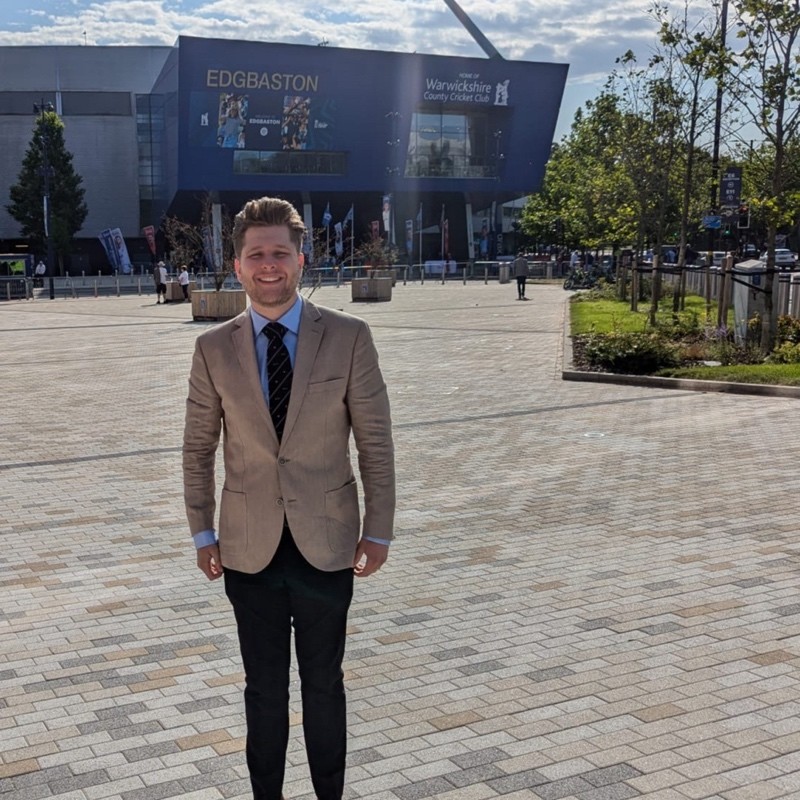 Dr. Daniel Ray Lead Scientist, Bioscope Technologies
An exclusive interview with Dr. Daniel Ray, Lead Scientist at UK-based e-waste recycler Bioscope Technologies to learn more about Bioscope and their recovery processes for tin and copper. Daniel graduated from his PhD at Coventry University in 2024 which Bio Scope and their sister company n2s (Network 2 Supplies) co-funded. Daniel’s research focused on the sustainable recovery of metals from electronic waste, with interests in bioleaching and electrochemical recovery methods, beginning the development of a closed-loop copper recovery system. Daniel now works with both the commercial and research team, continuing to assist in the development of metal recovery processes whilst engaging with partners to identify new material streams and build on existing supplies.
Technology of Recycling Tin from E-Waste in China
 Dr. Congren Yang Associate Professor, Central South University
Congren Yang is an Associate Professor at the School of Minerals Processing and Bioengineering at Central South University. He received his BS, MSc, and PhD in Mineral Processing Engineering from Central South University in 2008, 2011, and 2015, respectively. From 2015 to 2018, he conducted postdoctoral research at the School of Environment at Tsinghua University. His research interest focuses on theory and technology of clean and efficient utilization of complex mineral resources, including evolution of mineral surface layers and dissolved constituents in pulp formed during flotation and leaching of sulfide, flotation separation of calcium-containing minerals; and recycling valuable metals from electronic waste and its implications for sustainability, such as using physical and chemical methods to recover valuable metals from waste printed circuit boards, material flow analysis of copper and tin, etc.
An Introduction to ITA, Tin Valley and the ITRIMEX Project
Dr. Jeremy Pearce Markets & Technology Manager, International Tin Association
Dr. Pearce is an accomplished tin chemist with more than 35 years of experience in the field. He currently serves as the Head of Markets and Technology at the International Tin Association. He will provide an overview of the International Tin Association and introduce our innovative technology platform, Tin Valley, where we showcase the latest advancements in tin-related technologies. He will also highlight why tin recovery from e-waste has been selected as a key focus area for Tin Valley.
Topic Overview: Tin Recovery from E-Waste
Georgia Laurie Technologist, International Tin Association
Georgia Laurie is a chemist with experience in catalysis and recycling technologies, currently working as a Technologist for the International Tin Association. She will present an overview of the current landscape of tin recovery from e-waste, providing a deeper understanding of the varying pyrometallurgical and hydrometallurgical methods being utilised for tin recovery.
Tin Recovery from Printed Circuit Boards
Louis Langlais Business Developer, SCARCE Alliance
Louis is a materials science engineer with a strong background in metallurgy and chemical processes. Louis has 2.5 years of experience supporting innovation and research, enabling strategic projects to secure financial grants. A year ago, Louis was hired as a business developer to scale up the technologies developed during the first five years of the SCARCE project. Louis is currently setting up collaborations with industrial partners and managing commercial portfolios. Watch Louis discuss the SMART sorting technologies developed by the SCARCE Alliance for electronic waste recycling.
Ionometallurgy - Neoteric Solvents for Tin Recovery from E-Waste
 Dr. Chris Elgar Researcher, University of Leicester
Dr. Christopher Elgar graduated from his PhD from Cardiff University in 2021, focusing on organometallic transition metal coordination chemistry. He currently works at the Centre for Sustainable Materials Processing – a interdepartmental centre at the University of Leicester – specialising in technology critical element recovery on the EPSRC funded SonoCat and ReCreate projects.
Tin in E-Waste, Bio Scope's Local Refining of a Forgotten Element
Dr. Daniel Ray Lead Scientist, Bioscope Technologies
Daniel graduated from his PhD at Coventry University in 2024 which Bio Scope and their sister company n2s (Network 2 Supplies) co-funded. Daniel’s research focused on the sustainable recovery of metals from electronic waste, with interests in bioleaching and electrochemical recovery methods, beginning the development of a closed-loop copper recovery system. Daniel now works with both the commercial and research team, continuing to assist in the development of metal recovery processes whilst engaging with partners to identify new material streams and build on existing supplies.
Attero's Approach to E-Waste Recycling
 Mohinder Singhania Director of Projects, Attero
Mr. Singhania currently leads Attero’s Green Metals Business. With a background in Engineering (B.E.) and PG in Management, he brings over 44 years of rich experience in techno-commercial projects and the business of Coal Chemicals, Synthetic Fibers, and Nonferrous Metals. His core strengths lie in business strategy, setting up new ventures, and managing large-scale operations. Over the course of his distinguished career, he has held several senior leadership roles, including CEO, Business Head, and Head of Operations & Projects within the reputed organisations in India.
Innovating for a Sustainable Future
Dr. Jeremy Pearce Markets & Technology Manager, International Tin Association
Watch Dr Jeremy Pearce describe how we can innovate for a sustainable future using tin technologies. Dr. Pearce is an accomplished tin chemist with more than 35 years of experience in the field. He currently serves as the Head of Markets and Technology at the International Tin Association.
Strategy for Circular Tin in Thailand Scaling Secondary Production
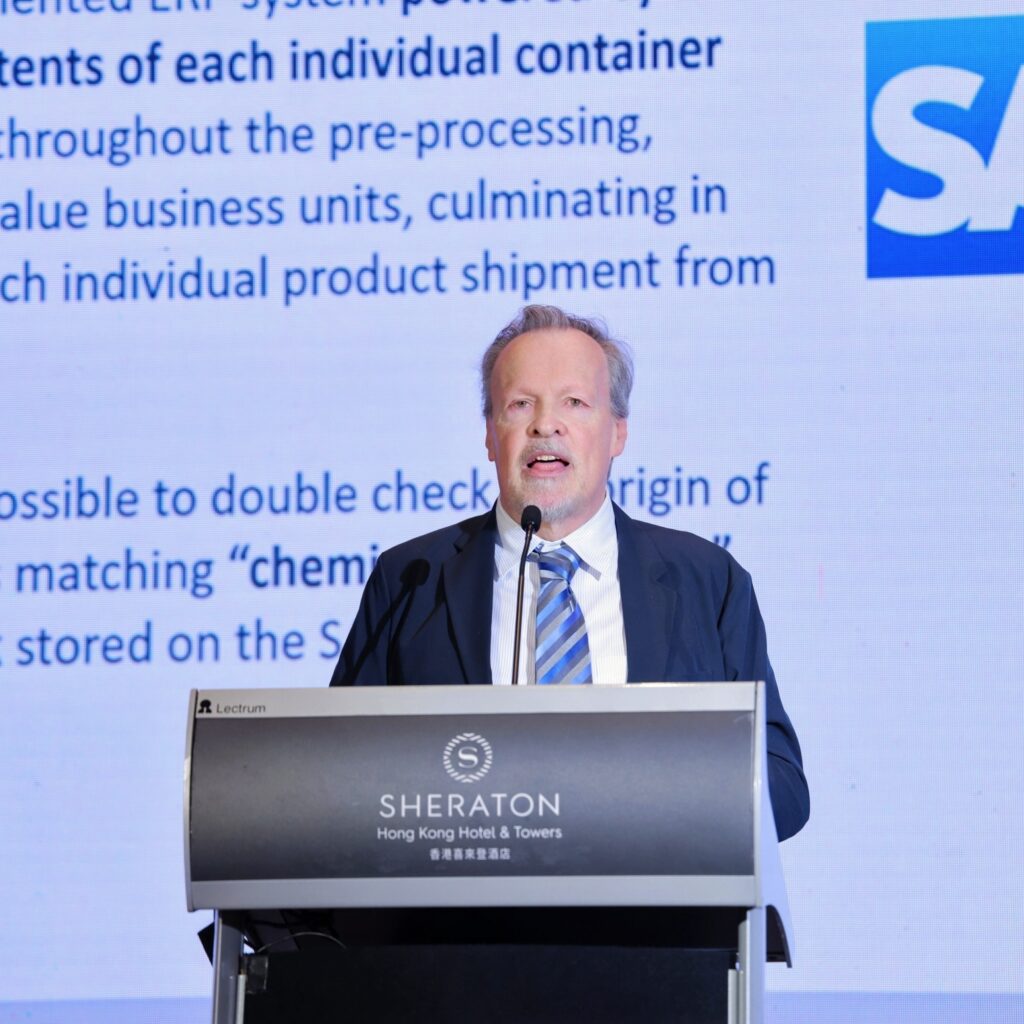 Jonathan Lund Sales Director, Thaisarco
Jonathan is well known in the metals industry with over 40 years of experience spanning silver solders and brazing alloys, gold bonding wires, PGM-based catalysts, and, for the last seven years, tin. A graduate of Brunel University of Technology, Jonathan is co-author and owner of a number of metals-related patents and has worked around the globe. Jonathan is currently the Sales Director for The Thailand Smelting & Refining Company, more commonly known as Thaisarco, based in Phuket. Watch Jonathan discuss Thaisarco’s strategy for circular tin in Thailand.
Tin Chemistry 101
Dr. Jeremy Pearce Markets & Technology Manager, International Tin Association
Listen to Dr Jeremy Pearce of the International Tin Association discuss the niche chemistry of tin, and its applications in tin in sodium-ion batteries, and tin recovery from e-waste. Dr. Pearce is an accomplished tin chemist with more than 35 years of experience in the field. He currently serves as the Head of Markets and Technology at the International Tin Association.
Hydrogen Reduction of Cassiterite Concentrate and Options for Sustainable Tin Production
 Prof. Alexandros Charitos Professor, TU Bergakademie Freiberg
Prof. Charitos leads the Institute of Nonferrous Metallurgy and Purest Materials (INEMET) at TU Bergakademie Freiberg, where he holds the Chair for High-Temperature Processes in Metallurgy. He previously served as an Assistant Professor at McGill University (Canada) and worked seven years with Metso (formerly Outotec) on fluidized bed reactors for zinc, copper, gold, and aluminium production. Prof. Charitos investigates H₂ reduction in cassiterite (SnO₂), oxidic copper, Cu-slag, and iron ore systems, focusing on H₂ injection into molten systems. He specializes in Top Submerged Lance (TSL) and Top Blown Rotary Converter (TBRC) smelting, operating a 150 kg/h TSL pilot plant in Freiberg, with additional work on tin hydrometallurgy, electrowinning, and electrorefining.
Tinnovations
Tin is a highly versatile element with unique chemical and physical properties that enable its use across a wide range of modern and emerging technologies. From energy storage and electronics to recycling and sustainable metallurgy, tin plays a critical role in supporting innovation across multiple sectors. Its ability to form stable compounds, participate in alloying systems, and be efficiently recovered and reused makes it particularly valuable in the transition toward more sustainable, circular material systems.
This video collection brings together a series of expert presentations under the theme of Tinnovations, highlighting how tin is enabling technological progress and sustainability.
The series begins with foundational insights into tin’s chemistry and its role in future-facing applications, including sodium-ion batteries and e-waste recovery. It then explores practical industry strategies for scaling circular tin production, with a case study from Thailand demonstrating how secondary tin can be effectively integrated into supply chains.
Advanced processing innovations are also presented, including novel approaches such as hydrogen-based reduction of cassiterite concentrates, offering potential pathways toward lower-emission tin production.
Together, these videos provide a concise yet forward-looking perspective on how innovation in tin chemistry, processing, and recycling is shaping a more sustainable future.
Tin Supply
Tin is a critical raw material underpinning modern electronics, energy systems, and emerging technologies. As a key component in solder, energy storage, and advanced materials, secure and responsible tin supply is essential to support global electrification, digitalisation, and the transition to low-carbon technologies. However, supply is increasingly shaped by geological constraints, geopolitical dynamics, and the need for higher environmental and social standards.
This video collection brings together a series of expert presentations exploring the future of tin supply, from market dynamics and investment trends to responsible sourcing and project development.
The series begins with a global overview of tin markets and the growing strategic importance of new supply. It examines how competition for resources is intensifying, alongside the role of ESG frameworks such as the Tin Code in attracting investment and ensuring responsible production. The importance of tin in enabling next-generation technologies is also highlighted, reinforcing its position as a critical material.
A central focus of the collection is on explorers and developers, with presentations from a range of companies advancing tin projects globally. These sessions provide insight into project pipelines, regional opportunities, and the challenges associated with bringing new supply online.
The collection also includes a dedicated case study on tin production in Bolivia, offering a practical perspective on operational supply and regional production dynamics.
Together, these videos provide a comprehensive and industry-focused overview of the opportunities and challenges shaping the future of global tin supply.
An Overview of Tin in Bolivia
 Mariano Pero CEO, OMSA
Mariano is CEO of Opertaciones Metalurgicas S.A. (OMSA) in Bolivia. Mariano began working for OMSA in 1992 before taking over the CEO position in 2004. In this presentation, Mariano Pero provides a comprehensive overview of Bolivia’s tin sector, highlighting its historical significance and continued importance in the global tin market. The session covers:
- Bolivia’s role as a key tin-producing country
- The structure and evolution of its mining industry
- Current production landscape and key operations
- Opportunities and challenges facing the sector
- Future outlook for tin supply from Bolivia
With deep industry expertise, Mariano offers valuable insights into how Bolivia fits into the broader global tin supply chain and its potential to contribute to future demand.
The Strategic Race for New Tin Supply Takes Shape
 Tom Langston Senior Market Analyst, International Tin Association
Tom Langston is Senior Market Analyst at the ITA UK, where he leads the Association’s data-driven analysis, reporting, and market intelligence efforts. Before joining ITA in 2023, Tom working in financial services, focusing on business analysis and capital markets operations at firms including Goldman Sachs and UBS. In this presentation, Tom Langston explores the rapidly evolving global landscape for tin supply and the growing strategic importance of securing new sources. As demand for tin accelerates—driven by electronics, energy transition technologies, and emerging applications—understanding supply dynamics has never been more critical. Tom provides expert insight into:
- Current and future tin market trends
- Key regions driving new supply development
- Challenges and opportunities in exploration and production
- The role of geopolitics and sustainability in shaping the tin supply chain
This session is essential viewing for anyone interested in critical materials, battery technologies, and the future of global metal supply.
ESG & Responsible Production Driving Investment with the Tin Code
 Susannah Costley-White Tin Code Manager, International Tin Association
Susannah works in the Sustainability Team at the ITA as the Tin Code Manager. In this presentation, Susannah Costley-White explores the growing importance of environmental, social, and governance (ESG) standards in the tin industry and how responsible production is shaping investment decisions. The session highlights:
- The increasing role of ESG in global metals markets
- How the Tin Code supports responsible mining and supply chains
- Key requirements and principles of the Tin Code
- The link between sustainability performance and investor confidence
- How companies can align with best practices to remain competitive
This talk provides valuable insight into how responsible sourcing and transparency are becoming central to the future of tin production and investment.
Tin for Tomorrow’s Technologies
Georgia Laurie Technologist, International Tin Association
Georgia Laurie works as a Technologist in the ITA Technology Team. Georgia comes from a degree in Chemistry, with background work experience in catalysis and recycling technologies. In this presentation, Georgia explores the critical role of tin in enabling next-generation technologies and supporting the global energy transition. The session covers:
- Key applications of tin in emerging technologies
- Tin’s role in sodium-ion batteries and energy storage
- The importance of tin in electronics and advanced materials
- How innovation is driving new demand for tin
- The outlook for tin as a strategic material in a low-carbon future
Bringing together technical expertise and market insight, this talk highlights why tin is becoming an increasingly important metal for tomorrow’s technologies.
Giant Silver-Tin Polymetallic Discovery in Bolivia
 Chris Holden SVP Corporate Development, Eloro Resources
In this presentation, Chris Holden discusses a major silver-tin polymetallic discovery in Bolivia and its potential significance for future global tin supply. The session explores:
- An overview of the discovery and its geological context
- The scale and characteristics of the mineralisation
- Exploration progress and development plans
- The strategic importance of polymetallic deposits in securing tin supply
- Implications for the global tin market
This talk provides valuable insight into how large-scale discoveries could play a critical role in meeting growing demand for tin in advanced technologies and the energy transition.
Australia's Next Tin Mine
 Simon Taylor Managing Director & CEO, Stellar Resources
In this presentation, Simon Taylor outlines the development of what could become Australia’s next significant tin mine, highlighting its role in strengthening future supply. The session covers:
- An overview of the project and its location
- Resource potential and development progress
- The strategic importance of new tin projects in stable jurisdictions
- Key milestones and timelines for production
- The role of Australian supply in the global tin market
This talk offers valuable insight into how new mining developments are positioning to meet rising demand for tin, driven by electronics, energy transition technologies, and emerging applications.
Advancing the South Crofty Critical Mineral Project Towards Production
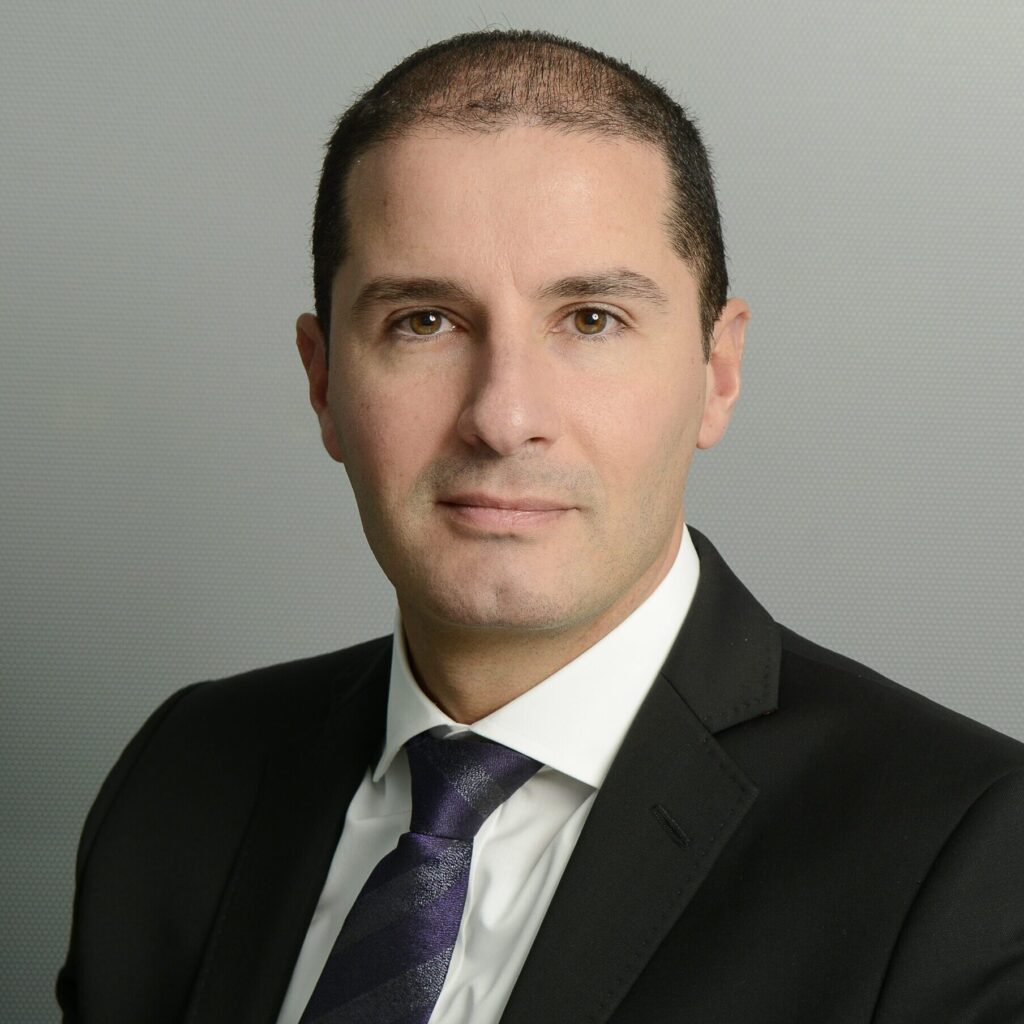 Fawzi Hanano Chief Development Officer, Cornish Metals
In this presentation, Fawzi Hanano provides an update on the progress of the South Crofty tin project in Cornwall and its journey towards restarting production. The session explores:
- The history and significance of the South Crofty mine
- Current redevelopment activities and project milestones
- Technical and operational progress towards production
- The role of domestic tin supply in the UK and Europe
- The strategic importance of South Crofty as a critical mineral project
This talk offers valuable insight into how historic mining assets are being revitalised to support secure, sustainable tin supply for the future.
High Grade Tin and Lithium in Cornwall
 Sally Norcross-Webb Founder & CEO, Cornish Tin
In this presentation, Sally Norcross-Webb highlights the potential of high-grade tin and lithium mineralisation in Cornwall and its relevance to future critical mineral supply. The session covers:
- An overview of Cornish Tin’s exploration projects
- The geological potential for tin and lithium in the region
- The significance of co-located critical minerals
- Progress in exploration and resource development
- The role of Cornwall in supporting secure, local supply chains
This talk provides valuable insight into how historic mining regions are being re-evaluated to support the growing demand for critical minerals in energy transition technologies.
Delivering Europe's Primary Tin Supply
 Joe David Managing Director, Elementos
In this presentation, Joe David outlines the development of primary tin supply in Europe and the role of new projects in strengthening regional resource security. The session explores:
- The importance of establishing domestic tin supply in Europe
- An overview of Elementos’ projects and development strategy
- Key milestones and progress towards production
- The challenges and opportunities in building new mining operations
- The role of European tin supply in supporting strategic industries
This talk provides valuable insight into how new primary tin projects are positioning to meet growing demand while enhancing supply chain resilience across Europe.
Exceptional Investment Exposure to High Value, Advanced Tin Projects in Australia and Germany
 Bill Scotting CEO, First Tin
In this presentation, Bill Scotting outlines First Tin’s strategy to develop advanced tin projects in Australia and Germany, offering strong exposure to high-value assets in stable, mining-friendly jurisdictions. The session covers:
- An overview of First Tin’s project portfolio
- The strategic advantages of operating in Australia and Germany
- Project development status and key milestones
- Investment potential of advanced-stage tin assets
- The role of these projects in supporting future global tin supply
This talk provides valuable insight into how geographically diversified, advanced projects are positioning to meet rising demand for tin across electronics, energy storage, and emerging technologies.
Global Tin Markets Overview
Tom Langston Senior Market Analyst, International Tin Association
In this market briefing, Tom Langston, Senior Analyst at the International Tin Association, provides an overview of global tin market trends and outlook. He discusses how supply disruptions in Indonesia and Myanmar, coupled with speculative activity, have driven tin prices to multi-year highs. Langston also examines how tariffs, trade tensions, and soft manufacturing demand are shaping consumption, while semiconductors, EVs, and AI technologies continue to support long-term growth. The presentation includes insights into the tinplate sector, its gradual decline from substitution and efficiency gains, and emerging opportunities linked to sustainability and recyclable packaging. He concludes with a cautious outlook — anticipating price moderation in 2026 as supply normalises, but highlighting strong structural demand from technology and energy transition markets.
Tinplate Markets - Trade, Tariffs, Grades
 Davide Padovani Chief Executive, Steelforce Packaging
In this presentation, Davide Padovani from Steelforce Packaging offers an expert analysis of the global tinplate market, exploring key trends in production, trade, and regulation. He highlights how Asia, led by China, has become the main exporter, while Europe, Japan, and the US face challenges from overcapacity and rising costs. Padovani also examines the effects of anti-dumping actions, tariffs, and the upcoming Carbon Border Adjustment Mechanism (CBAM), explaining how these measures are reshaping international steel and tinplate trade flows. He concludes with insights into how protectionist policies and sustainability pressures are influencing future pricing, sourcing strategies, and market competitiveness across regions.
Consumer Trends in Tinplate Packaging Markets
 Chanel Chebli Marketing Product Manager, Sonoco
In this presentation, Chanel Chebli, representing Sonoco, explores the company’s approach to sustainability and circular innovation within the metal packaging industry. She discusses how Sonoco is integrating eco-design principles, reducing carbon footprints, and enhancing recyclability across its global packaging portfolio. Chebli highlights key strategies for balancing performance, cost, and environmental responsibility, focusing on light-weighting, material substitution, and design for recovery. She also showcases collaborative initiatives aimed at advancing closed-loop recycling and supporting consumer brands in meeting sustainability targets. The presentation concludes with Sonoco’s vision for a low-carbon packaging future, where innovation, supply-chain partnerships, and transparent reporting drive measurable progress toward circular economy goals.
China Tinplate Market Insights and Shougang’s High-Quality Practice
 Mr. Zhiying Mo Shougang Jingtang United Iron and Steel Co
In this presentation, Mr. Zhiying Mo from Shougang Jingtang United Iron and Steel Co., Ltd. discusses the company’s advancements in green steelmaking, tinplate innovation, and sustainable production. He outlines how Shougang Jingtang is integrating low-carbon technologies, energy efficiency, and digitalisation to support China’s dual carbon goals. Mr. Mo highlights the company’s achievements in reducing emissions, improving material quality, and expanding high-end tinplate applications for packaging and electronics. He also details Shougang’s role in promoting green transformation across the steel industry, including the use of hydrogen metallurgy and recycled materials. The presentation concludes with a forward-looking view of how technological innovation and policy alignment will drive the future of sustainable tinplate manufacturing in China.
Process-Orientated Material Modelling for Forming Simulation of High-Strength
 Thomas Lieber Fraunhofer Institute for Machine Tools and Forming Technology (IWU)
In this technical presentation, Thomas Lieber from the Fraunhofer Institute for Machine Tools and Forming Technology (IWU) discusses new approaches to process-oriented material modelling for high-strength tinplate steels. He outlines a multi-year research project aimed at improving finite element (FEM) simulations used in metal packaging applications, addressing the limitations of traditional models for thin-gauge, high-strength materials. Lieber explains how advanced bulge testing, anisotropy analysis, and forming limit curve (FLC) determination enhance prediction accuracy for can forming, necking, and wrinkle-free seaming. He also introduces a machine learning–assisted test method to rapidly classify materials based on forming behaviour, enabling faster process optimisation and material selection. The presentation concludes with applications of these models in simulation-driven design, supporting the development of lighter, stronger, and more reliable tinplate packaging.
The Past, Present and Future of Tinplating Electrolyte on High-Speed Electrolytic

 Craig Clease & Jasper Brugman Quaker Houghton
In this presentation, Craig Clease and Jasper Brugman from Quaker Houghton explore recent advancements in MSA-based electrolytes for electrolytic tinplate production. They trace the evolution from older PSA and halogen systems to methanesulfonic acid (MSA), explaining how modern requirements for sustainability, safety, and plating efficiency are driving the shift. The speakers highlight MSA’s environmental and operational advantages, including reduced waste generation, lower toxicity, and enhanced tin utilisation. They also introduce new laboratory testing methods for evaluating surface cleanliness, coating quality, and porosity, supporting improved process control in industrial settings. The session concludes with an outlook on MSA’s growing global adoption as the preferred electrolyte for tinplating, reflecting Quaker Houghton’s ongoing innovation and commitment to greener metal finishing technologies.
Towards Intelligent Assistance in Tinplate Manufacturing An AI-Chatbot for Qualitative Defect Guidance
 Matías Montagna Ternium S.A.
In this presentation, Matías Montagna from Ternium S.A. introduces Tinbot, an AI-powered chatbot assistant designed to support tinplate manufacturing through intelligent quality guidance and defect prevention. Built on a large language model (LLM) and a curated knowledge base, Tinbot helps operators identify surface defects, trace root causes, and implement corrective actions directly on the production line. Integrated with PLC systems, the bot proactively alerts users to process anomalies and provides tailored recommendations in real time. Montagna also outlines the project’s architecture, testing, and deployment, including local server integration, model accuracy optimisation, and future enhancements such as voice interaction and mobile access. The initiative demonstrates Ternium’s commitment to combining AI innovation with operational excellence in metal packaging production.
Responsible Sourcing in the Tin Supply Chain
 Samantha Munro Sustainability Specialist, International Tin Association
In this presentation, Samantha Munro from the International Tin Association (ITA) provides an overview of the ITA’s sustainability initiatives, focusing on responsible sourcing, ESG reporting, and the Tin Code. She explains how the Tin Code serves as a comprehensive ESG framework for tin producers, encompassing 71 standards across environmental, social, and governance principles. Munro discusses the independent assurance process, which enhances transparency and supports downstream users in meeting global compliance requirements. She also introduces the ITA’s Lifecycle Assessment (LCA) — the first industry-wide study quantifying tin’s environmental footprint — and outlines upcoming updates to reflect 2024 production data. The talk concludes with opportunities for engagement through the Responsible Tin Insights Group and the Responsible Tin Network, both designed to foster collaboration and continuous improvement across the global tin supply chain.
Update on Food Contact Regulation and Testing
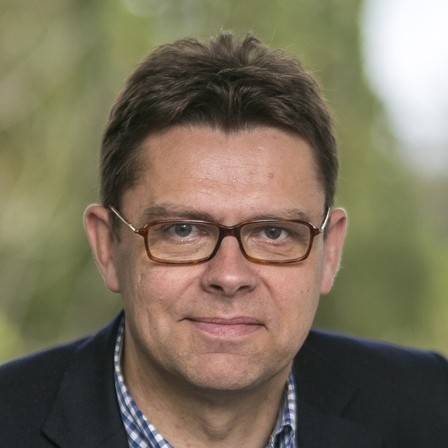
Ulrich Nehring Nehring Consultants
In this detailed presentation, Ulrich Nehring from Nehring Consultants reviews the latest European regulatory developments impacting metal packaging and tinplate for food contact applications. Drawing on decades of experience, he outlines the growing complexity of food contact material (FCM) compliance, covering the revision of the EU Framework Regulation, the ban on bisphenol A (BPA), and new restrictions on PFAS substances. Nehring highlights the lack of harmonised EU legislation for metal packaging, the resulting compliance challenges, and the shift toward hazard-based chemical assessments under the EU Green Deal and Chemical Strategy for Sustainability. He also examines the impact of titanium dioxide classification, printing ink regulations, and new metal release limits — including stricter thresholds for arsenic in tin. The talk concludes with a call for clearer, science-based regulation to restore consumer confidence, ensure food safety, and support industry innovation within the European packaging value chain.
Evolution of Electrolytic Tinning Line Processes

Stefano Martines Tenova
In this technical presentation, Stefano Martines from Tenova outlines the company’s latest R&D developments in electrolytic tinning line (ETL) technology, focusing on the shift toward chromium-free passivation processes in compliance with EU REACH regulations. Martines reviews Tenova’s multi-year programme to replace traditional chromium(VI) treatments with safer, high-performance alternatives such as CFPA and Tenova AZ (zirconium-based) coatings. He presents detailed laboratory and industrial-scale results comparing adhesion, corrosion resistance, and surface morphology across various treatment sequences, including combinations with Bonderite coatings. The presentation also highlights Tenova’s innovations in line design, electrode geometry, coating uniformity, and process control, including flexo coating systems, shutter anodes, and enhanced electrolyte flow dynamics. Martines concludes by demonstrating how these advances enable safer, more sustainable, and higher-quality tinplate production, supporting the industry’s transition to chromium-free manufacturing by 2027.
Recyclability Regulation for Steel Packaging in Europe

 Steve Claus & Richard Lézé Steel for Packaging Europe (SfPE)
In this joint presentation, Steve Claus and Richard Lézé from Steel for Packaging Europe (SfPE) highlight the technological, environmental, and regulatory strengths of steel as a sustainable packaging material. They explain why steel for packaging is among the most technically demanding steel products to manufacture, requiring exceptional surface finish, thinness, and consistency. The speakers underline steel’s permanent recyclability, with recycling rates exceeding 80% across Europe, and its crucial role in advancing circular economy goals. The talk delves into current and upcoming EU packaging regulations, including the Packaging and Packaging Waste Regulation (PPWR), Extended Producer Responsibility (EPR), and design-for-recycling standards. Claus and Lézé stress the need for a level playing field in global trade, noting how European producers face higher environmental obligations than overseas competitors. They conclude with insights on the transition to low-carbon steelmaking, the use of electric arc furnaces, and the challenges of ensuring sufficient scrap availability to meet growing sustainability demands — reaffirming steel’s position as the most circular, resilient, and future-ready packaging material.
What the Latest EU Legislation means for Innovation in Packaging

Ruaidri MacDomhnaill Regulatory Affairs Manager, Steel for Packaging Europe (SfPE)
In this presentation, Ruaidri MacDomhnaill, Regulatory Affairs Manager at Steel for Packaging Europe (SfPE), provides an in-depth overview of the latest European regulatory developments affecting the steel packaging industry. MacDomhnaill outlines how evolving frameworks — including REACH, CLP, the Packaging and Packaging Waste Regulation (PPWR), and the Ecodesign for Sustainable Products Regulation (ESPR) — are reshaping chemical usage, recyclability, and innovation within the sector. He discusses the tightening definitions of “substances of very high concern” and the introduction of broader categories such as “substances of concern”, which extend restrictions to materials that may hinder recycling or sustainability. Key topics include upcoming PFAS and BPA restrictions, limits on heavy metals, and the shift from authorization to restriction for hexavalent chromium under REACH — a major regulatory change impacting tinplate manufacturing. MacDomhnaill also explains how the Digital Product Passport and sustainability disclosure requirements will influence supply-chain transparency and consumer awareness. He concludes by highlighting chromium-free passivation alternatives (CFPA) as a viable, high-performance solution for the future, emphasizing their regulatory compliance, global food-contact approvals, and compatibility with BPA-NI coatings.
Production of Tin-Plated Steel Cans via Electric Arc Furnace Recycling in Alignment with EU Regulations
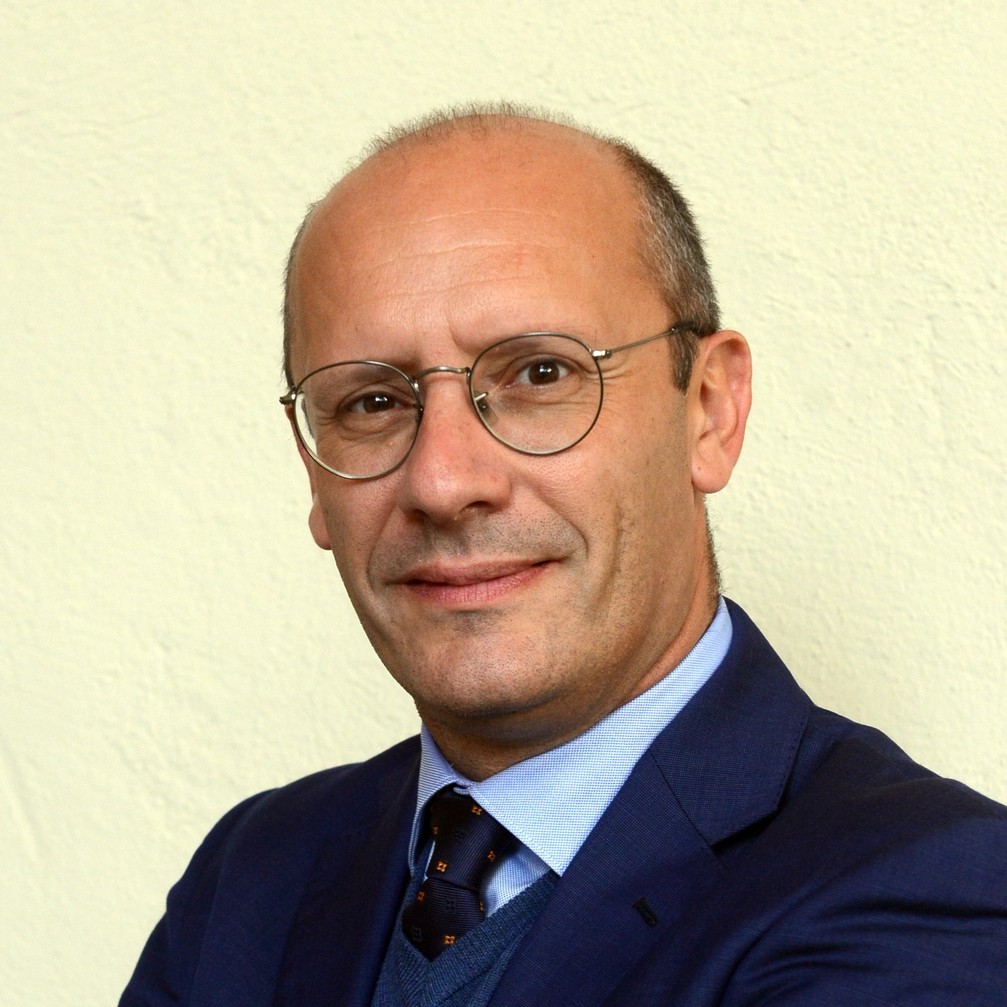
Professor Carlo Mappelli Politecnico di Milano
In this presentation, Professor Carlo Mappelli from the Politecnico di Milano details groundbreaking research carried out in collaboration with Steel for Packaging Europe (SfPE) on producing tinplate steel from electric arc furnace (EAF) scrap. Mappelli explains how the project demonstrates the technical feasibility of manufacturing high-quality tinplate entirely from recycled steel, addressing key challenges such as tramp element control, scrap selection, and tin removal. The research combines laboratory trials and industrial-scale testing to optimise chemical composition, cold rolling performance, and surface finish comparable to conventional blast furnace routes. He also explores innovative tin recovery processes, including electrochemical and citric acid-based tin removal, enabling the reuse of both steel and tin — a major step toward a fully circular tinplate production chain. The work supports EU objectives for decarbonisation and resource efficiency, positioning EAF-based tinplate as a future-ready material for sustainable packaging.
In-depth Analysis of Cr-free Passivation Structure on Tinplate
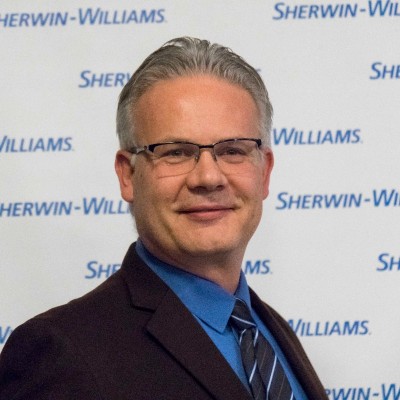
 Giuseppe Dellatte & Philippe Deligny Sherwin-Williams
In this presentation, Giuseppe Dellatte and Philippe Deligny from Sherwin-Williams explore the technical and commercial challenges of transitioning to chrome-free passivation (CFPA) coatings for metal packaging. The talk begins with an overview of coating formulation principles — from polymer and crosslinker chemistry to additives and pigment control — highlighting the importance of balancing performance, safety, and efficiency. The speakers explain the complex interactions between coatings and substrates, particularly as the industry moves away from chromium-based passivation towards CFPA 555 systems. Using microscopic surface analysis, they reveal how subtle differences in substrate morphology influence tin distribution and corrosion resistance, leading to issues such as sulfur staining, adhesion loss, and accelerated corrosion rates. Comparative tests between traditional ETP (311) and CFPA-coated materials show that CFPA can corrode up to three times faster, with distinct surface darkening linked to tin depletion. Finally, the speakers discuss mitigation strategies, including zinc oxide additives, new polymer formulations, and alternative coating colors such as white or OPA gold. They also emphasize the urgent need for qualification and supply chain readiness ahead of the 2027 EU deadline for the phase-out of hexavalent chromium, encouraging industry-wide collaboration to ensure performance and compliance.
Evaluation of the New Chromium-Free Tinplate Passivation Alternative (CFPA), in Contact with Different Food Products
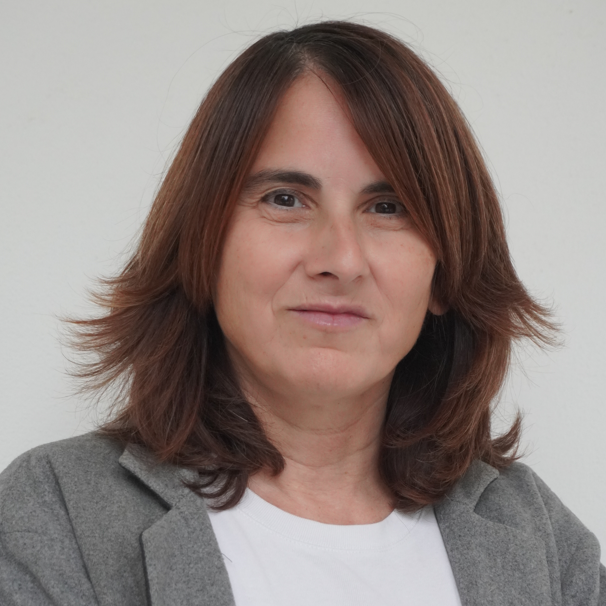 Stefania Gelati Experimental Station for the Food Preserving Industry (SSICA)
In this presentation, Stefania Gelati from the Experimental Station for the Food Preserving Industry (SSICA) shares results from Italy’s COPACKS research project — Coatings for Sustainable and Circular Food Packaging. The study assesses the performance of chromium-free passivation (CFPA 555) compared with the traditional 311 passivation in tinplate food cans. Gelati details SSICA’s comprehensive testing programme, including corrosion resistance, electrochemical impedance spectroscopy, and real-pack shelf-life trials using tomato purée and chickpeas stored at 20°C and 37°C. Results show no significant differences in corrosion behaviour, lacquer adhesion, or metal migration between the two passivation types. The findings confirm that CFPA 555 offers a technically reliable, REACH-compliant alternative to chromium-based treatments, supporting the metal packaging industry’s transition toward safe, sustainable, and regulatory-approved coatings.
Panel Discussion - Challenges and Opportunities - Suppliers
 Moderated by Krassimira Kazashka (Metal Packaging Europe) Panel: Sarah Passmore (Tata Steel) & Richard Lézé (ArcelorMittal)
Moderated by Krassimira Kazashka from Metal Packaging Europe, this panel brings together Sarah Passmore of Tata Steel and Richard Lézé of ArcelorMittal to discuss the evolving landscape for steel suppliers in the packaging sector. The discussion addresses how suppliers are adapting to decarbonisation goals, customer expectations, and regulatory pressures while maintaining material quality and supply stability. Panelists explore the implications of carbon border adjustments, recycled content targets, and the industry’s shift toward green steel production. They also highlight opportunities in innovation, circularity, and collaboration across the value chain, emphasising the need for consistent sustainability messaging and investment in low-carbon manufacturing technologies to ensure steel remains a competitive, future-ready packaging material.
Panel Discussion - Challenges and Opportunities - Steel Can Manufacturers
 Moderated by Scott Breen (Can Manufacturers Institute) Panel: Mark Beaumont (Trivium), Chanel Chebli (Sonoco), Tek Kowalski (Can Corporation of America), & John O’Maoileoin (CANPACK)
Moderated by Scott Breen from the Can Manufacturers Institute, this panel brings together leading voices from the global steel packaging industry, including Mark Beaumont (Trivium), Chanel Chebli (Sonoco), Tek Kowalski (Can Corporation of America), and John O’Maoileoin (CANPACK). The discussion explores key challenges and growth opportunities for steel canmakers, focusing on carbon reduction, recyclability, innovation, and consumer perception. Panelists address how upstream emissions, green steel initiatives, and policy shifts are shaping the sector, while also debating how to make metal packaging more appealing to modern consumers. They highlight the importance of collaboration across the supply chain, unified sustainability messaging, and leveraging innovation and design to attract younger generations and strengthen steel’s role in a circular, low-carbon economy.
Tinplate Packaging
Tinplate is a thin steel sheet coated with a controlled layer of tin, combining the mechanical strength and formability of steel with the corrosion resistance, solderability, and non-toxic properties of tin. This unique combination makes tinplate a critical material for food and beverage packaging, where it ensures product protection, extends shelf life, and maintains safety and quality. Its high recyclability and compatibility with circular manufacturing systems further reinforce its importance in sustainable packaging.
This video collection brings together a comprehensive series of expert presentations on tinplate, spanning global markets, advanced manufacturing, regulatory developments, and future industry challenges.
The series opens with a global overview of tin and tinplate markets, followed by in-depth analysis of trade dynamics, including tariffs, anti-dumping measures, and emerging mechanisms such as CBAM. Consumer trends in metal packaging are explored alongside regional insights, with a particular focus on developments in China and high-quality steel production practices.
Technical sessions examine key innovations in tinplate manufacturing, including electrolytic tinning processes, high-speed coating technologies, material modelling of high-strength steels, and the transition toward chromium-free passivation systems. Emerging digital approaches, such as AI-assisted defect analysis, are also highlighted.
Regulatory and sustainability topics form a central theme, covering responsible tin sourcing, food contact compliance, recyclability legislation, and the role of electric arc furnace recycling in low-emission steel production.
The collection concludes with panel discussions featuring industry leaders from across the value chain, addressing future challenges and opportunities for suppliers and steel can manufacturers.
Together, these videos provide a detailed and industry-relevant perspective on the evolving tinplate landscape.