
Iona Boulton joined the International Tin Association this summer as its Technology Intern through the Women in Mining UK internship scheme. Now over halfway through her placement, she is mapping emerging technologies that could contribute to lower-carbon tin production, helping ITA identify promising areas for future research, collaboration and technology development.
A Women in Mining internship
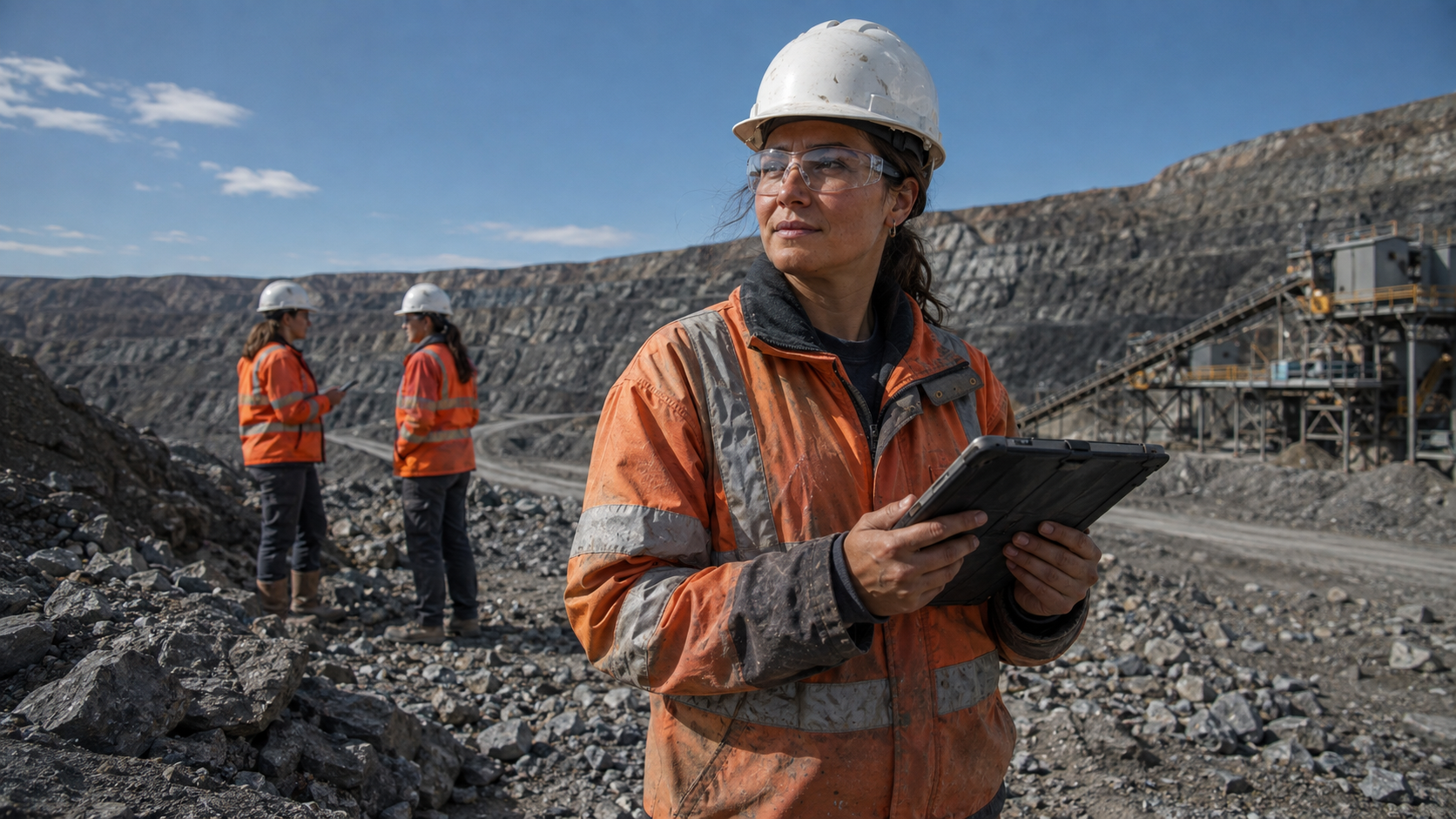 Iona graduated this summer from UCL with a degree in Earth Sciences, including final-year study in areas related to technology and artificial intelligence. She joined ITA through the Women in Mining UK (WIM UK) internship scheme after the opportunity was recommended through UCL.
Founded in 2006, WIM UK works to support and promote women across the mining sector, collaborating with universities and industry to increase awareness of career opportunities and strengthen pathways into the sector. Its internship programme provides students and recent graduates with short-term placements across mining and related industries, offering practical experience alongside opportunities to build professional networks.
Early in her placement, Iona joined members of ITA’s Technology team on a visit to the Institute of Non-Ferrous Metallurgy at TU Bergakademie Freiberg in Germany. Researchers there are investigating several approaches relevant to lower-carbon primary and secondary tin production, including hydrogen reduction, hydrometallurgical processing, electrowinning and alternative reductants.
Seeing these technologies at laboratory and pilot scale provided valuable context for the wider technology-scoping exercise Iona is now undertaking.
Mapping pathways to lower-carbon tin production
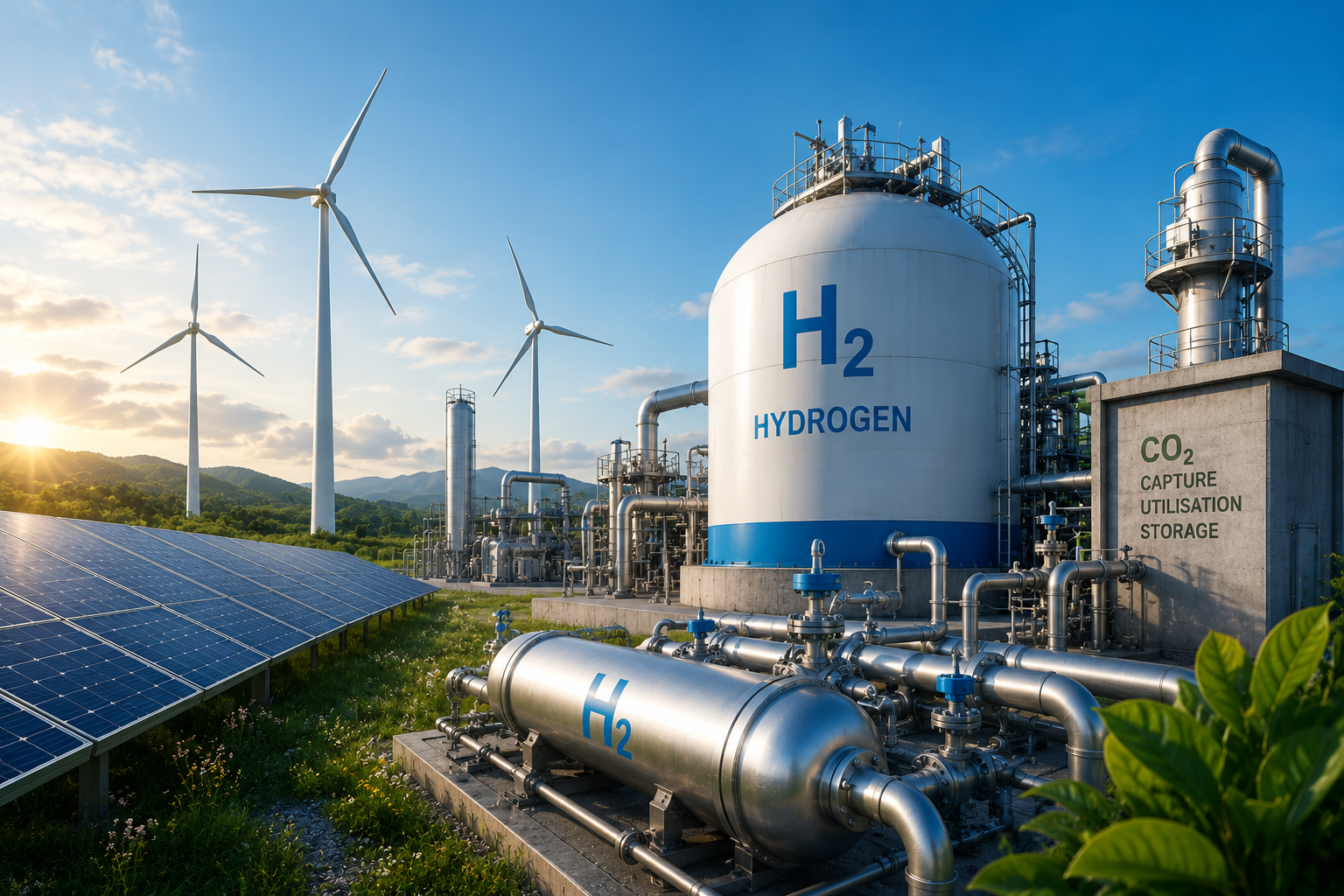
Iona’s project is examining technologies across the tin production chain that could potentially reduce emissions, lower energy requirements, improve resource efficiency or enable additional tin to be recovered from existing resources.
The scope includes hydrogen-based as well as other alternative reductants, lower-energy comminution and beneficiation technologies, new hydrometallurgical and electrochemical extraction routes, and approaches to recovering tin from fines, tailings and other secondary materials.
Rather than focusing on one potential solution, the project is building a broader picture of how different technologies might contribute to future tin production.
Drawing on academic literature, patents, industry developments and historical research, Iona is assessing technologies against factors such as their potential environmental benefits, technological maturity, scalability and applicability to tin. This also involves looking beyond the tin industry to identify technologies being developed in other minerals and metals sectors that could potentially be transferred or adapted to tin production.
The resulting technology landscape will help distinguish between approaches that are already approaching industrial relevance and those that remain at an earlier research stage, while highlighting areas where further investigation could be valuable.
Why explore new approaches to tin production?
Tin plays an important enabling role in technologies associated with electrification and the energy transition, particularly through its use in solder, as well as in solar technologies, energy storage and other advanced applications.
Producing primary tin, however, can be both energy- and carbon-intensive. Its environmental footprint varies depending on factors including ore grade, mineralogy, processing route, recovery efficiency and energy source.
There is not going to be a single technology capable of decarbonising tin production across every operation.
Instead, future reductions in emissions could come from changes across several stages of the production chain: using lower-carbon energy and reductants, improving liberation and recovery during mineral processing, developing alternative extraction technologies, and recovering more tin from material that might otherwise become waste.
Understanding where these opportunities exist — and how close different technologies are to practical application — is an important first step.
Iona’s work will feed into ITA’s wider technology activities, including Tin Valley and the longer-term development of the TIN2030 strategy. By establishing a clearer picture of the emerging technology landscape, the project can help identify areas where targeted research, industry collaboration or further technical investigation could have the greatest potential to support more efficient and lower-carbon tin production.